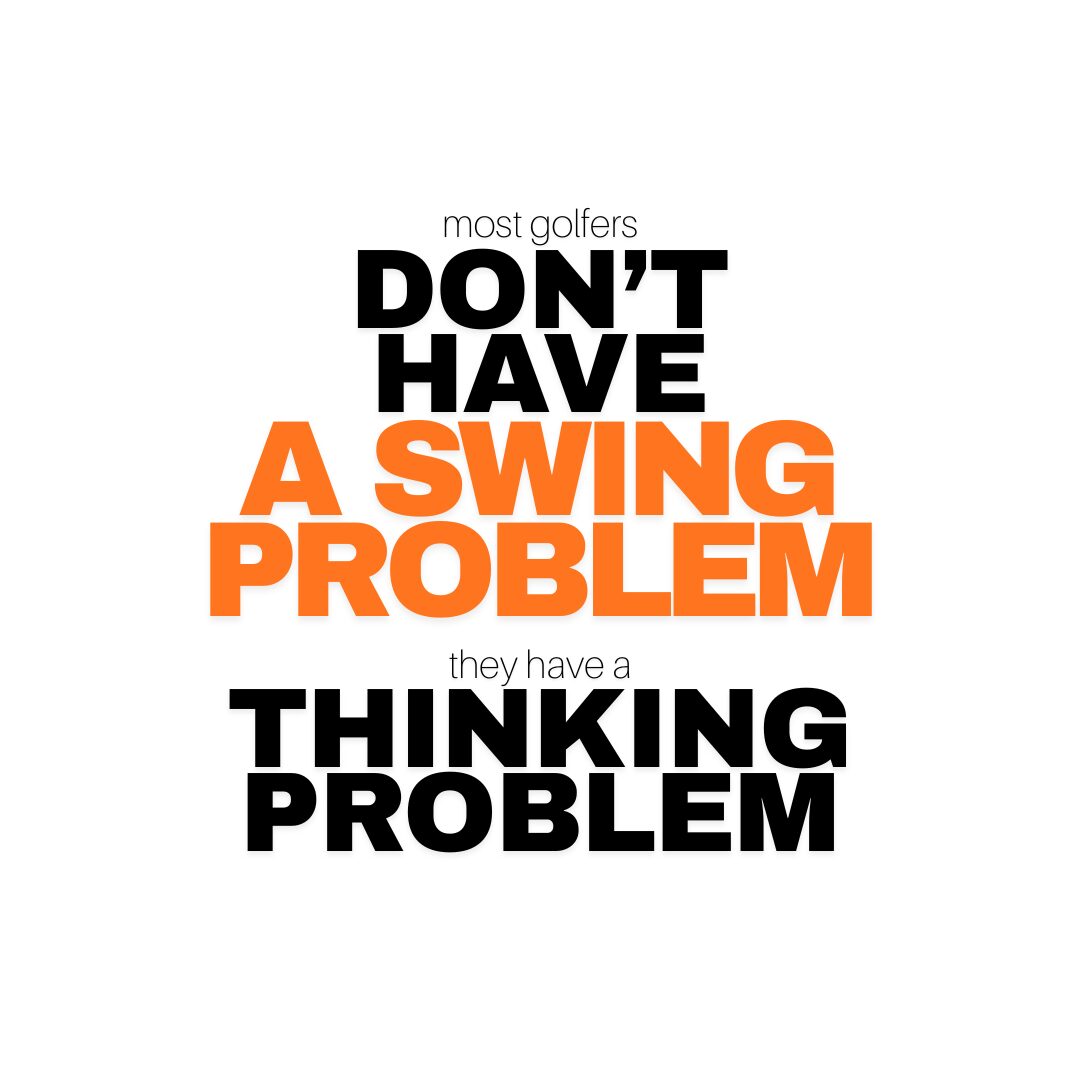
Why the Mental Side of Golf Matters More Than Most Players Realise
For many golfers, improvement is often approached in the same way—more practice, more lessons, and more focus on technique. While these things are important, they are only part of the story.
Because when you step onto the course, especially under pressure, the real challenge is rarely just physical. It is mental.
The Gap Between Knowing and Doing
Many golfers already understand what they should be doing. They understand their swing. They have had lessons. They have hit thousands of balls on the range.
Yet when it matters, something changes. Tension appears. Focus drifts. Confidence drops.
The result is inconsistency—not because of a lack of knowledge, but because of how the mind responds in the moment.
Why Mindset Shapes Performance
Golf is a unique game.
Unlike many sports, you are given time to think before every shot. And while that can be an advantage, it can also become a source of pressure.
Doubts begin to creep in:
- “Don’t hit it in the water.”
- “I messed this up last time.”
- “I need this shot to go well.”
These thoughts influence your body, your rhythm, and ultimately your outcome. This is why the mental side of golf is so important—it directly affects how you perform.
A Different Approach to Improvement
Instead of focusing only on mechanics, many golfers are beginning to explore a different approach.
One that includes:
- Awareness of thoughts and reactions.
- The ability to stay present.
- A calmer, more disciplined mindset.
This does not replace technique. It supports it—and in many cases, it is the missing piece.
Bringing it All Together
Improving your golf game is not just about hitting better shots. It is about developing a more consistent way of thinking and responding on the course.
When you begin to understand how your mind influences your game, you start to unlock a different level of performance—one that is more stable, more controlled, and ultimately more enjoyable.
Final Thought
Golf will always challenge you. And isn’t that part of why you play?
By developing clarity, awareness, and a more grounded approach, you can begin to meet those challenges differently—and that is where real improvement starts.